The challenge
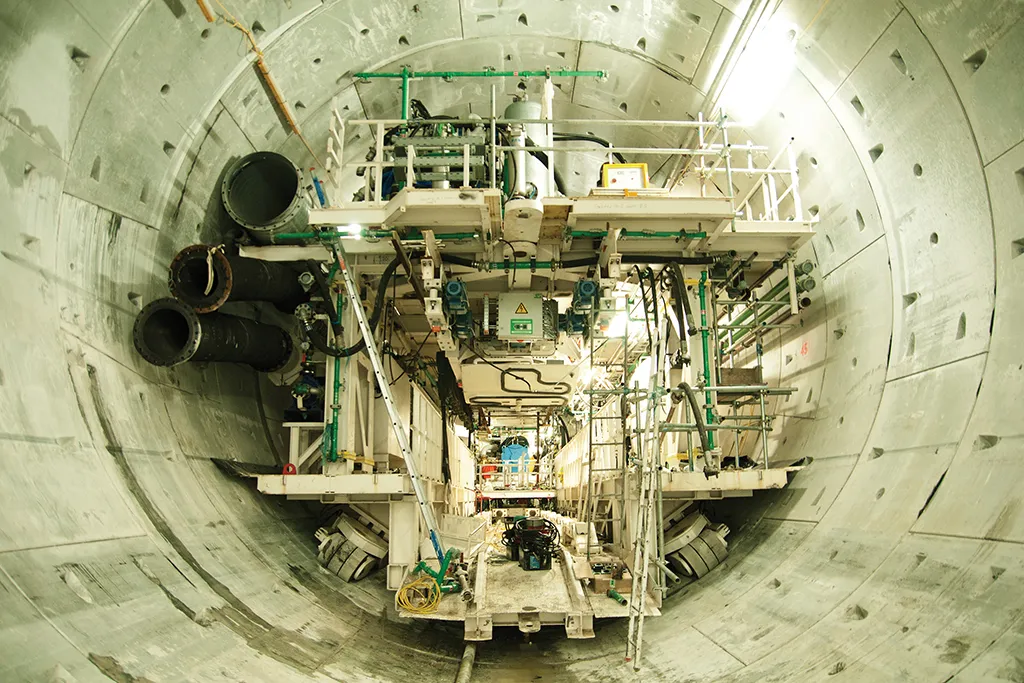
Tideway has built a new 25km super sewer under the River Thames to update a system originally designed to serve 4 million people. There are now 9 million people living in London, and the current sewers overflow into the river when it rains. The Thames Tideway Tunnel is predicted to prevent the release of 94% of the 709,000m³ of untreated sewage that currently discharges into the River Thames via the existing Falconbrook Pumping Station each year on average.
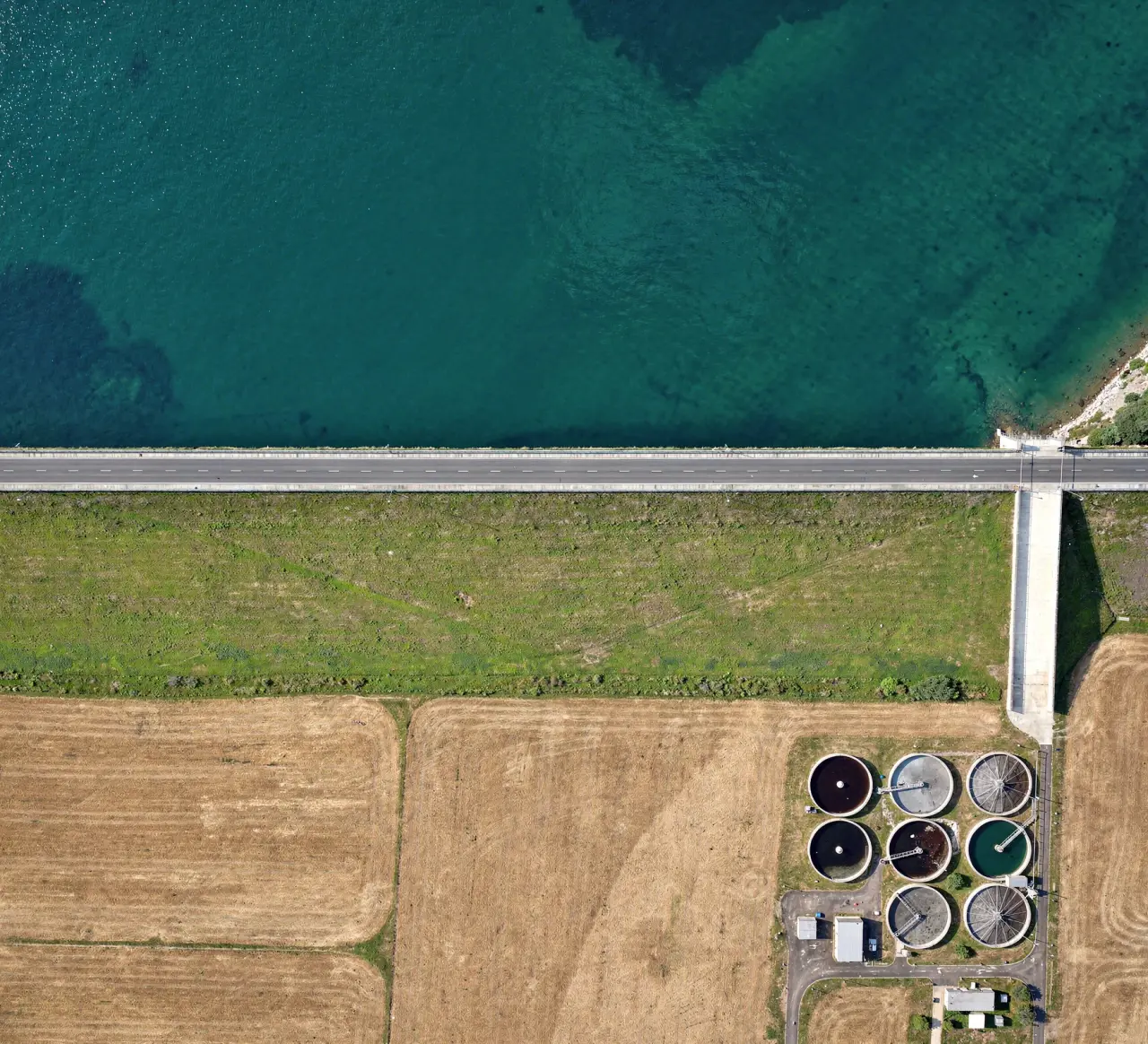
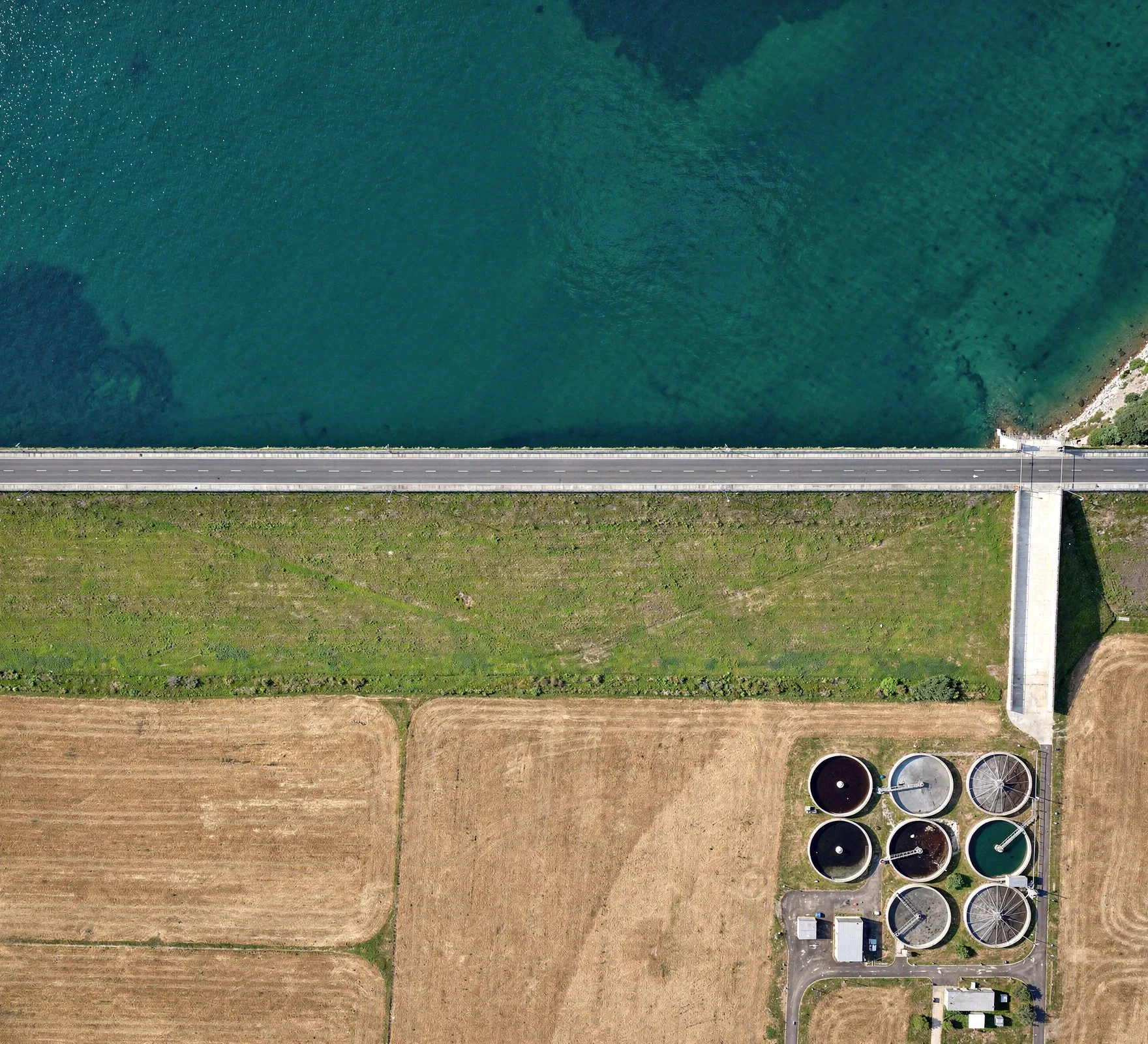
A 41m-deep shaft was excavated at Falconbrook to safely transport intercepted sewage deep below ground before it moves into the new super sewer. During construction it was in constant use for access into the interconnecting tunnels. The surrounding area is prone to flooding during heavy rain, which puts both the people working in the shaft and the equipment at risk.
The only way the site team could plan ahead was by looking at weather forecasts and observing rainfall to try to predict when the shaft might flood. As a result, people and equipment sometimes had to be rapidly evacuated. At other times they avoided the shaft because they thought it might flood, only for it not to flood at all.
The solution
The site team installed a network of sensors on the weirs and pumps feeding into the shaft, providing accurate, real-time data on water levels. This was combined with comprehensive weather information from more than 10 stations.
The BKWAI data science team then applied sophisticated algorithms to create predictive models of the water levels over the coming days, giving advance warning of when flooding thresholds were likely to be breached.
Real-time forecasting models and predictive analytics were available on the BKWAI platform, and were also displayed on boards at the site to make the information more widely accessible.
The results
Using the data available to them, Tideway were able to rely on a more structured and dependable planning process, with an end to rushed evacuations and the ability to access the shaft on days that might previously have been considered too risky.
The BKWAI platform and its predictive data allowed far more efficient planning than the previous reliance on simple weather forecasts. By more confidently predicting when the shaft might flood, shaft access could be planned more effectively, saving time and money.